Our skin and coat therapy programs are designed for dogs whose skin is dry, flaky, oily, sensitive, congested or slow to settle.
They may also support dogs experiencing recurring skin concerns alongside veterinary treatment.
The purpose of the program is not to diagnose or treat an underlying medical condition. Our role is to provide consistent topical care that supports the skin barrier, surface hygiene, hydration, comfort and coat condition.
Every dog is different, so the program is adjusted according to the condition of the skin and coat, the dog’s comfort, current veterinary care and how the skin responds over time.
It Begins with an Assessment
The first step is to look closely at the condition of the skin and coat.
We consider:
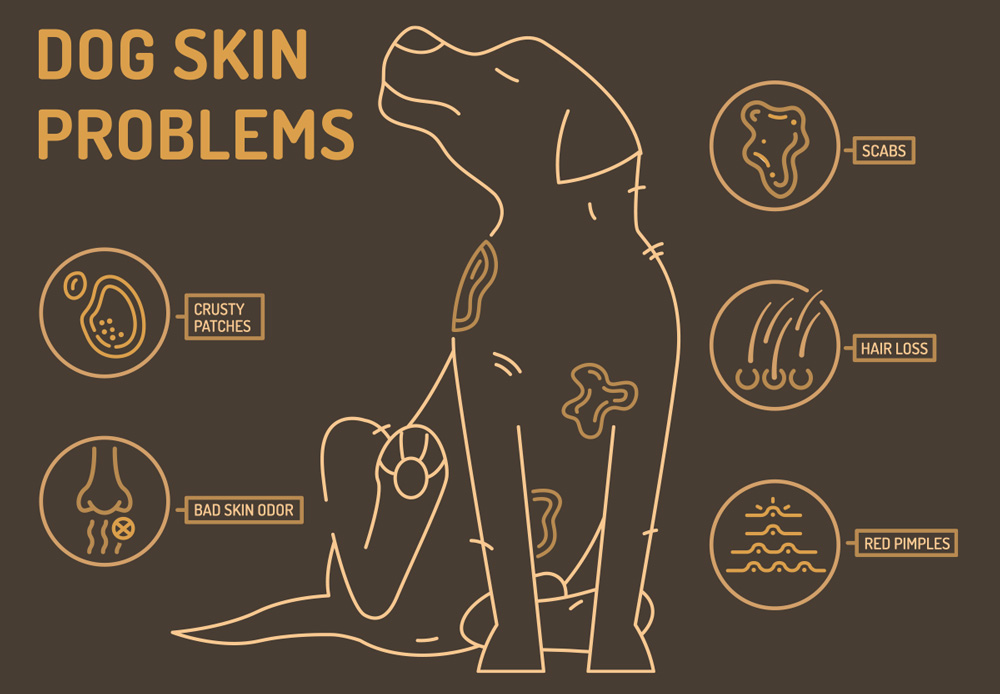
- dryness, flaking or scale
- excess oil or surface buildup
- redness or sensitivity
- coat texture, density and condition
- areas of thinning or poor coat growth
- odour
- recent grooming and bathing history
- current medications or veterinary treatments
- products being used at home
- the dog’s comfort and tolerance
We also ask about any diagnosed illness, skin conditions, allergies, and recent infections. This helps us decide whether supportive therapy is appropriate and which areas require the most attention.
Where the skin appears infected, painful, broken or outside our scope of practice, we may recommend veterinary assessment before beginning or continuing treatment.
An Individual Care Plan
There is no single treatment that suits every dog.
Some dogs need help removing excess oil, scale and debris before hydration can be restored effectively.
Others have skin that is dry, fragile or depleted and require a gentler approach focused on hydration and moisture retention.
The program may be adjusted according to:
- the condition of the skin barrier
- whether the skin is dry, oily or a combination of both
- the amount of scale, debris or buildup present
- coat type and density
- environmental exposure
- current veterinary bathing instructions
- how the skin responds between sessions
The aim is to use the right level of care for the individual dog rather than following a fixed routine.
What Happens During a Therapy Session?
Each session follows a structured process, although the exact steps may vary.
Skin and Coat Preparation
The skin and coat are assessed before treatment begins.
Where appropriate, a preparatory treatment may be used to help loosen surface debris, excess oils, scale and product buildup.
This allows the skin and coat to be cleansed more effectively without relying on harsh scrubbing.
Gentle Cleansing
The dog is cleansed using products selected for the current condition of the skin and coat.
The purpose is to remove unwanted buildup while avoiding unnecessary stripping of the epidermis and its protective lipid layer.
Some dogs may require deeper cleansing, while others need a much milder approach.
Ozone Hydrotherapy
Where suitable, ozone-enriched water and gentle hydro-massage are used to support surface hygiene and help move water through the skin and coat.
Ozone has oxidising properties that may assist in reducing surface bacteria, yeast, fungal organisms, excess oils and organic debris.
The warm hydro-massage may also support local circulation, tissue comfort and the even distribution of water through dense or difficult coats.
Ozone therapy does not heal the skin by itself. Its role is to help create a cleaner, better-supported surface environment in which the skin’s natural protective and recovery processes can function.
Hydration and Conditioning
After cleansing, the skin and coat are supported with appropriate hydration and conditioning.
Hydration helps restore water to the outer layers of the epidermis.
Moisturising and conditioning ingredients help soften the skin, support the natural skin barrier and slow further water loss.
This stage is important because cleansing alone does not complete the skin-care process.
Careful Drying
The dog is dried according to its skin condition, coat type and comfort.
Excessive heat, vigorous rubbing or aggressive brushing may place additional stress on sensitive skin, so drying and coat handling are adjusted where needed.
The goal is to leave the skin and coat clean, properly supported and comfortable, not simply dry as quickly as possible.
Why More Than One Session May Be Needed
Long-standing skin concerns rarely develop overnight.
In the same way, the skin barrier is unlikely to recover fully after one treatment.
The epidermis is continually renewing itself, and improvement usually depends on repeated, appropriate care over time.
A dog may initially require more frequent sessions to help:
- reduce accumulated oil, scale or debris
- improve surface hygiene
- restore hydration
- support the lipid barrier
- improve coat condition
- monitor how the skin responds
As the skin becomes more stable, sessions may be spaced further apart.
Some dogs may move into a maintenance program, while others may require periods of increased support during seasonal changes or flare-ups.
The schedule is based on the individual dog rather than a standard package.
What We Monitor Between Sessions
Progress is not judged only by whether the dog is scratching less.
We also look for changes in:
- hydration
- softness and flexibility of the skin
- flaking or scale
- excess oil
- odour
- redness or sensitivity
- coat texture and shine
- ease of grooming
- the speed at which buildup returns
- the dog’s overall comfort during handling
Not every skin condition follows a straight line.
There may be periods of improvement and setback, particularly where allergies, environment or an underlying medical condition are involved.
The program is adjusted according to what we observe and what the owner reports between visits.
Home Care Is Part of the Program
What happens between appointments can have a major influence on the result.
Where appropriate, we may recommend simple home-care steps to help maintain the skin and coat between sessions.
This may include:
- applying a recommended topical product
- avoiding unsuitable shampoos or fragranced products
- following veterinary bathing instructions
- keeping the coat clean and free from buildup
- monitoring changes in redness, odour or discomfort
Working With Veterinary Treatment
Our therapy programs are designed to work alongside veterinary care, not replace it.
Veterinary treatment may be needed to diagnose and manage:
- allergies
- infection
- parasites
- inflammation
- hormonal or immune-related conditions
- other underlying medical causes
We do not prescribe medication, diagnose disease or advise owners to stop or reduce veterinary treatment.
Our role is to support the external condition of the skin and coat while the veterinarian manages the dog’s medical health.
Where appropriate, we are happy to follow veterinary instructions and adapt the therapy program around prescribed medications and treatment plans.
What the Program Is Aiming to Achieve
The purpose of the program is not to promise a cure.
Our aim is to provide the skin with consistent topical support by:
- improving surface hygiene
- restoring hydration
- supporting moisture retention
- reducing unnecessary buildup
- improving skin and coat condition
- supporting the protective function of the skin barrier
- helping the dog remain more comfortable between appointments
For some dogs, this may form part of short-term support following a flare-up.
For others, ongoing maintenance may be needed as part of the long-term management of a recurring skin condition.
The program is guided by the dog in front of us, the condition of the skin and coat, and the care already being provided by the veterinarian and owner.
The goal is not simply a cleaner coat. It is a healthier, better-supported skin environment.
This information is provided for general education and grooming purposes. Skin and coat therapy is a supportive service and does not replace veterinary diagnosis, prescribed medication or medical treatment.